Where it started
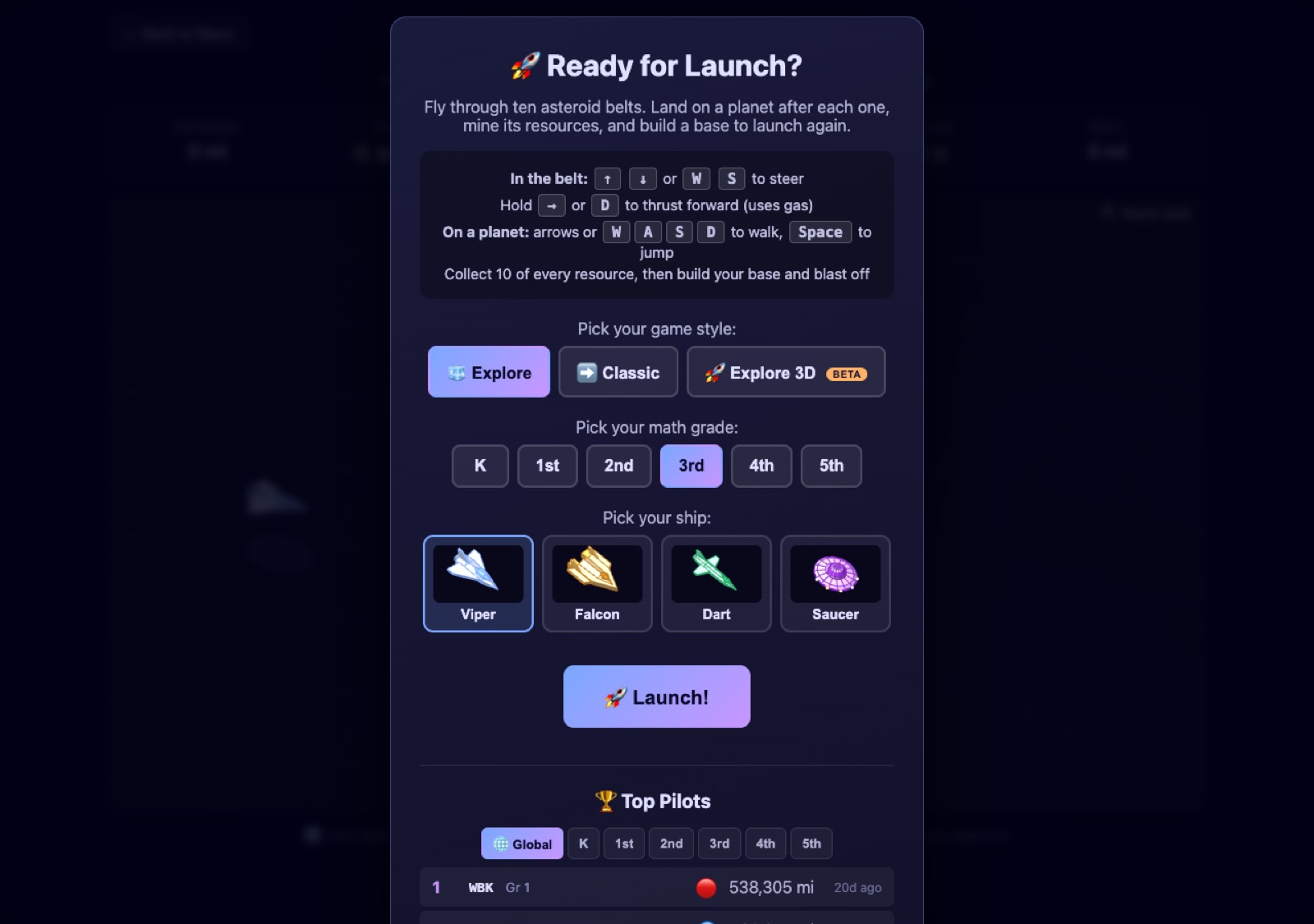
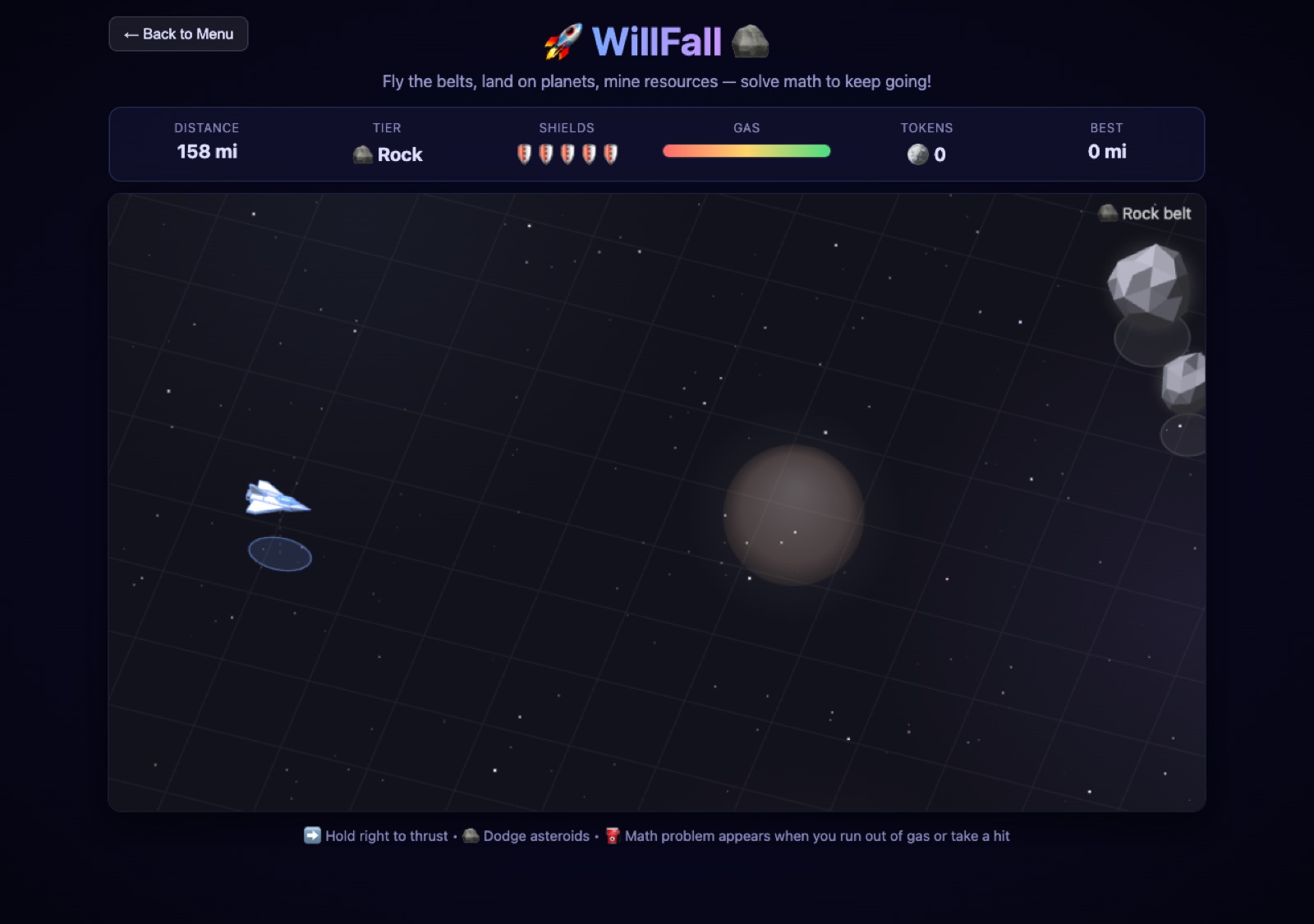
The original WillFall is a 2D game drawn on an HTML canvas. You fly a ship through ten asteroid belts, land on a planet after each one, collect resources and solve math problems to refuel. It's still here, and it's still the rulebook: every speed, score and math problem in Explore 3D comes from the classic game's code.
What's new in Explore 3D
Explore 3D keeps every rule from the classic game and adds these.
-
A new 3D rendering engine
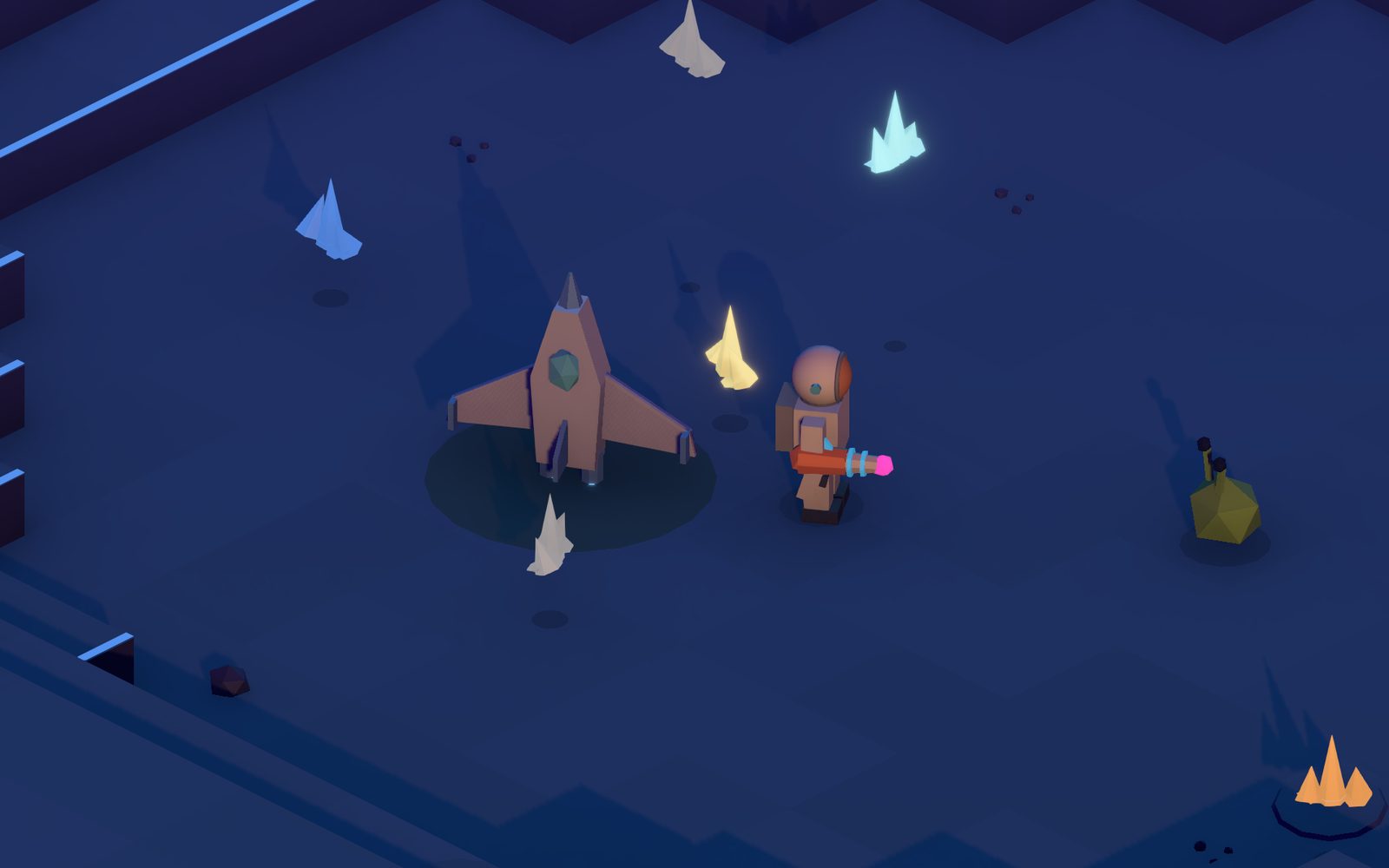
Built on three.js with a "Deep Dusk" lighting rig: soft shadows, ambient occlusion, glow, and a hand-tuned look for each of the ten planets. Landings and takeoffs are flown as real arcs in 3D.
-
Oxygen on planets
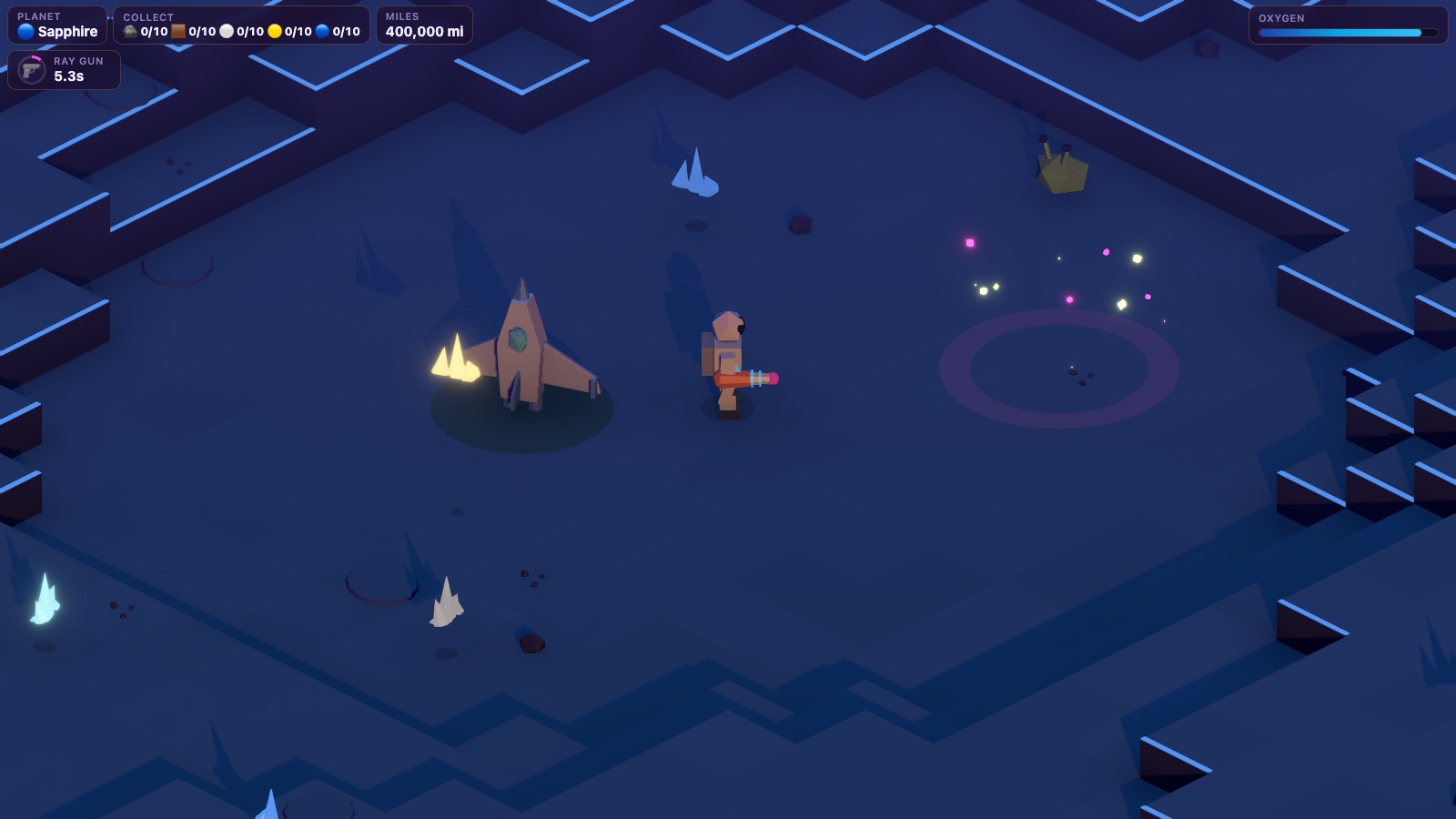
A blue Oxygen bar joins the planet HUD. The astronaut's tank lasts 45 seconds on the surface, and solving a math problem refills it, the same way gas works in the belt.
-
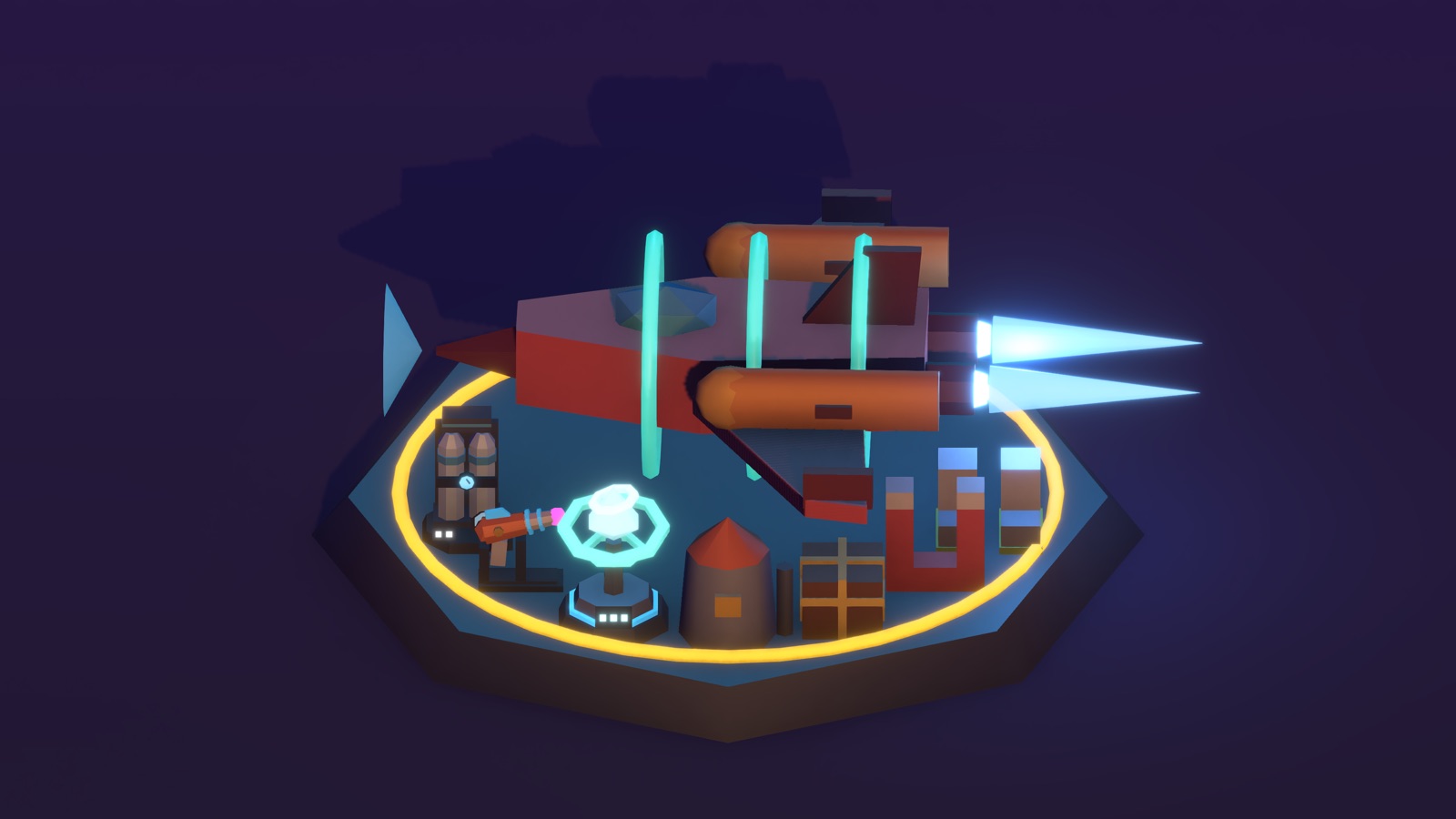
Upgrades only in Explore 3D
Only in 3D: the Slow Field, the Ray Gun and the Oxygen Rebreather. Every upgrade, with what it does, is under Upgrades below.
-
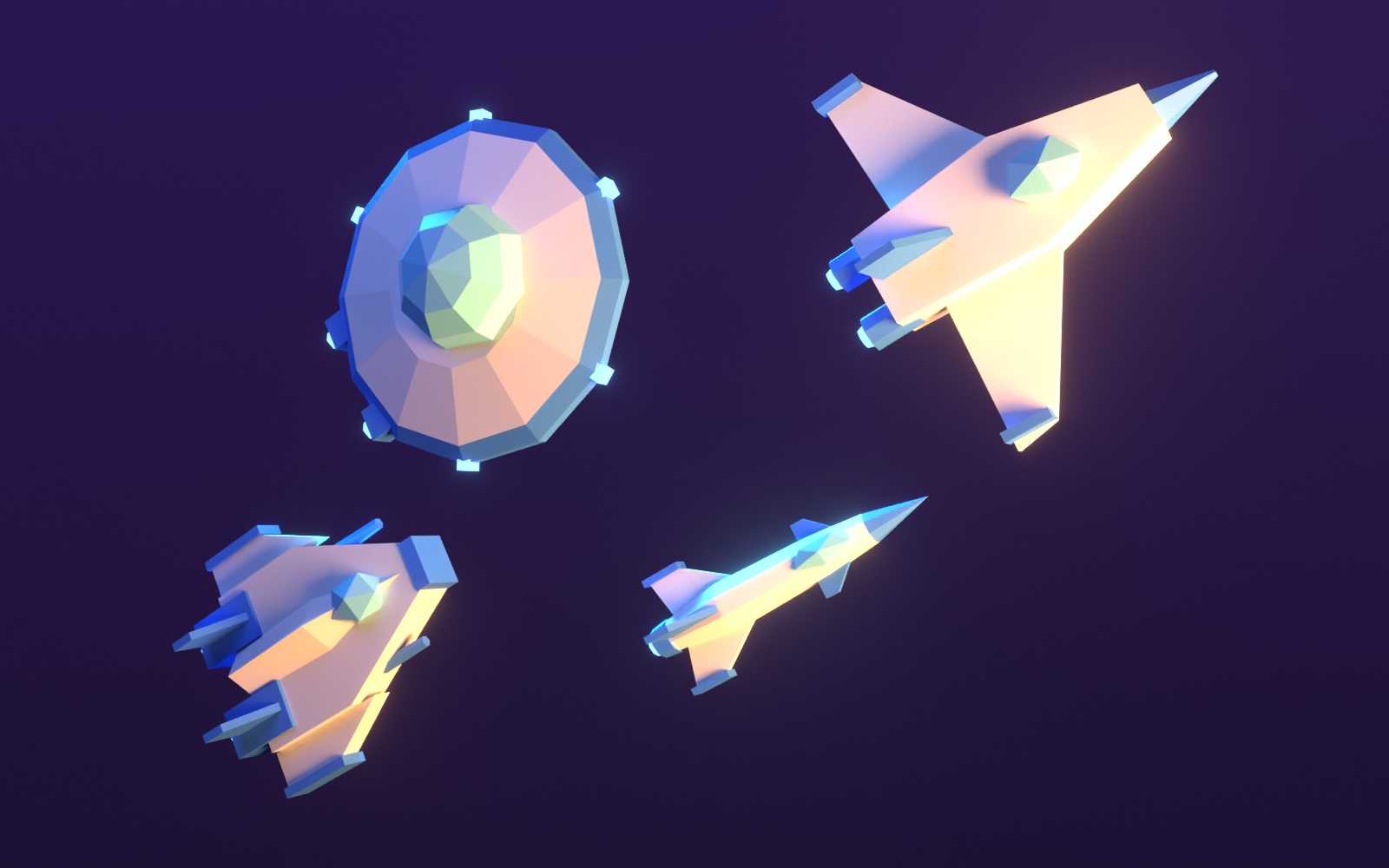
Four real 3D ships
The Viper, Falcon, Dart and Saucer are each a distinct model, with a live turntable preview on the start screen.
-
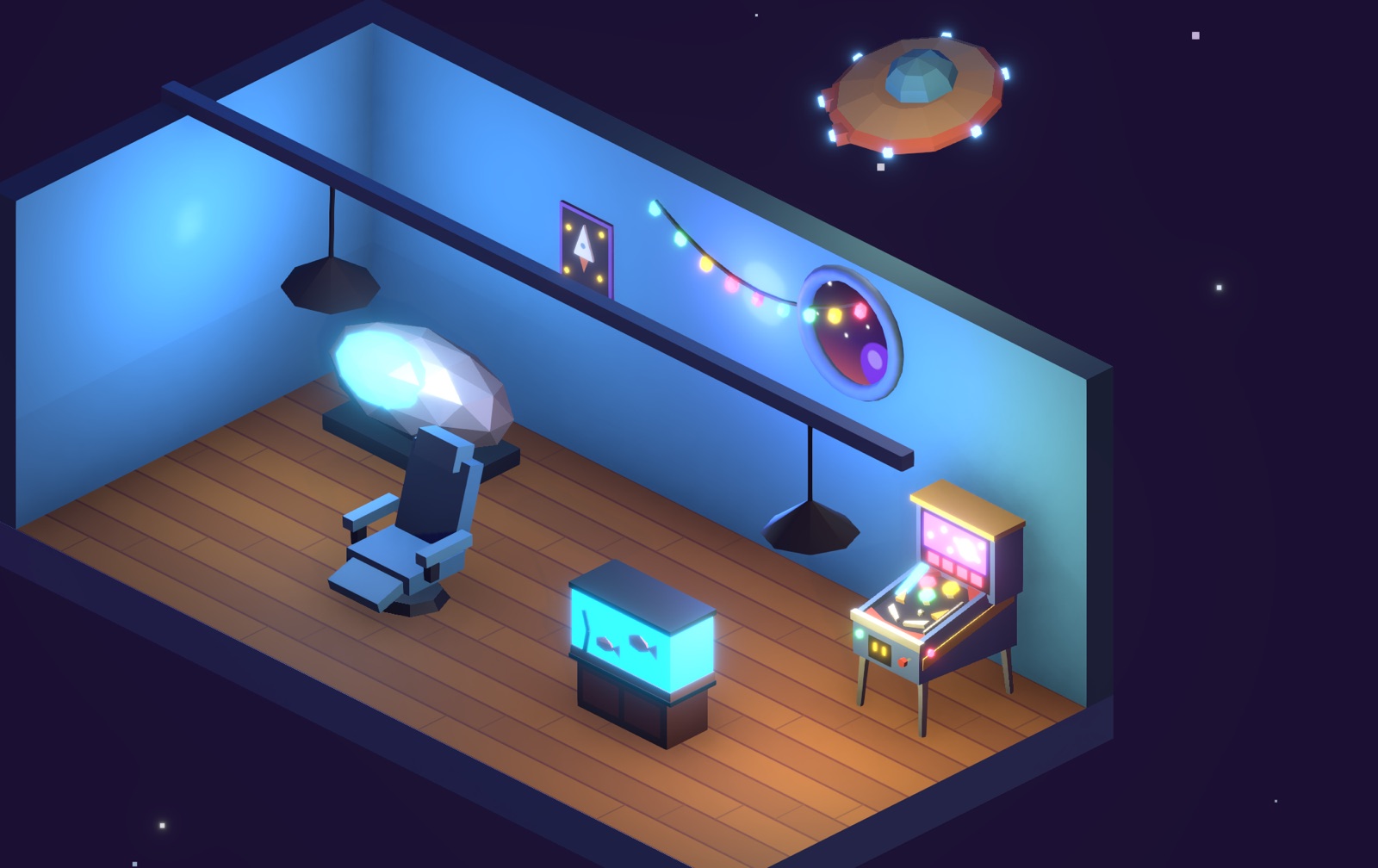
A Trading Post you can look around
A 3D cabin with a trader's saucer outside the porthole. Tap an item for a turning close-up, or tap a treasure chest to see the ore from its planet inside.
-
Sound, with a mute button
The first sound either game has ever made: the trader's saucer whooshes away and back. It's made with Web Audio when it plays, so there's no sound file to download.
-
Built for tablets and phones
A floating thumb joystick, THRUST and JUMP buttons, haptics, fullscreen with landscape lock, and a home-screen icon. The classic game is keyboard-only.
Choosing a look
Before building any levels, we built an art board: one small planet scene that could switch between visual styles live, so we could compare them side by side. Tap any picture to try it.
Round 1 · 16 Sep
Round 2 · three takes on moody
Ten planets
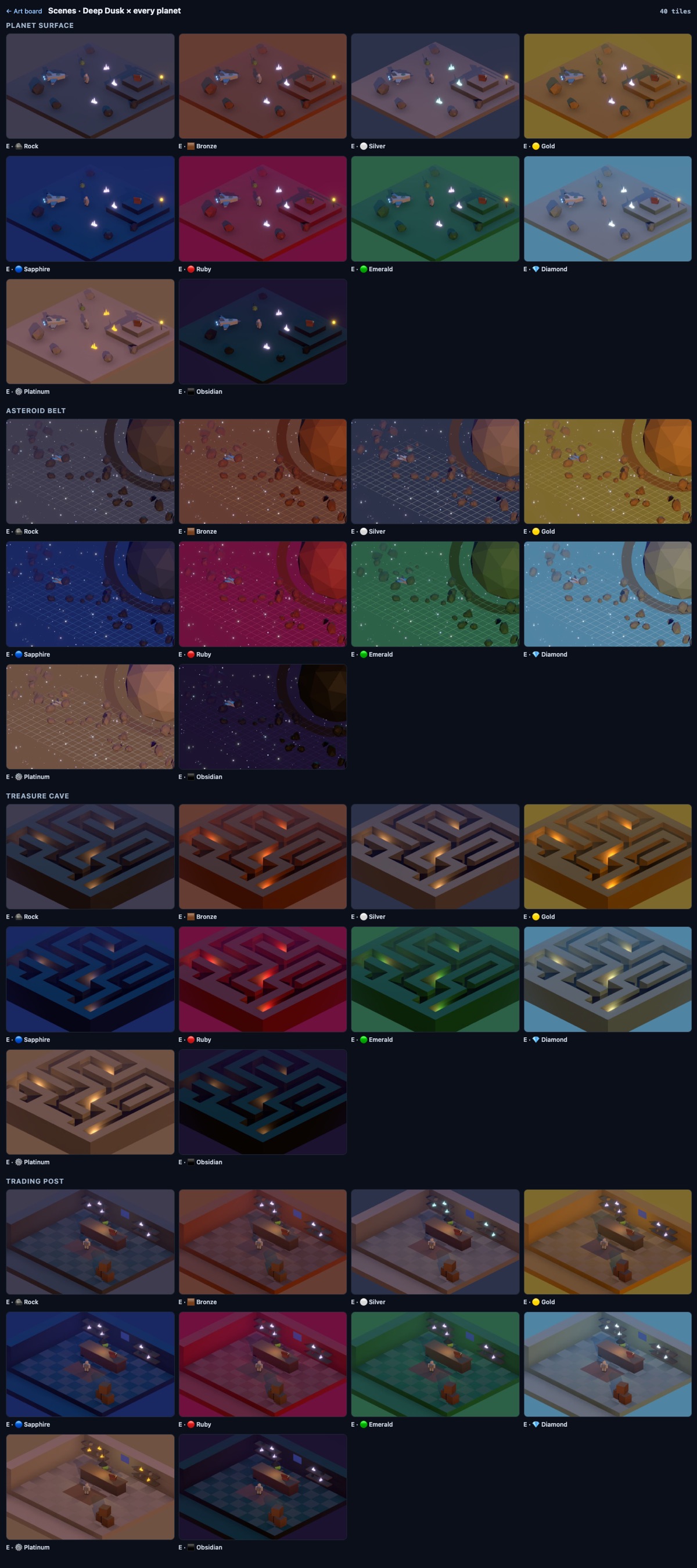
Each belt ends at a planet: Rock, Bronze, Silver, Gold, Sapphire, Ruby, Emerald, Diamond, Platinum and Obsidian. Deep Dusk tints the sky, ground and crystals to match each one. The three pale planets (Silver, Diamond and Platinum) got hand-tuned accent colors so they don't wash out. Obsidian stays dark on purpose.
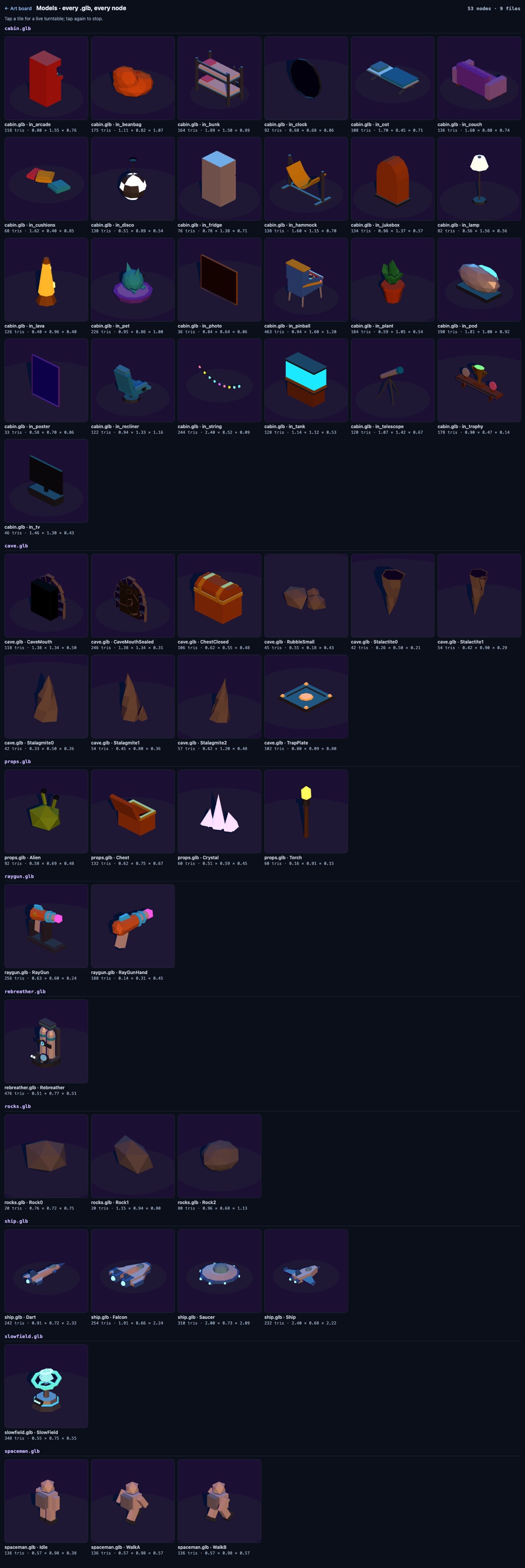
Models built from code
Nobody sculpted these by hand. Every model is a short Python script that runs in Blender without opening its window, stacking boxes, cones, prisms and spheres, then exports a .glb file for the game. Changing a ship means editing numbers and running the script again.
# ship.py: the Viper, from primitives
b = MeshBuilder('Ship')
b.prism([(-0.28, -0.8), (0.28, -0.8), (0.34, 0.1),
         (0.12, 0.85), (-0.12, 0.85), (-0.34, 0.1)],
        depth=0.34, mat=HULL)              # fuselage
b.cone(r1=0.13, r2=0.02, depth=0.35, segments=6,
       loc=(0, 1.0, 0), mat=ACC)           # nose cone
b.ico(radius=0.17, loc=(0, 0.25, 0.2), mat=GLASS) # cockpit| File | What's inside |
|---|---|
| cabin | Trading Post cabin furniture. 25 pieces |
| cave | The Hidden Cave kit. 10 pieces |
| props | Small world props. Alien, Chest, Crystal, Torch |
| raygun | The Ray Gun upgrade. RayGun, RayGunHand |
| rebreather | The Oxygen Rebreather upgrade's pad prop for the Trading Post. Rebreather |
| rocks | Three asteroid / boulder variants. Rock0, Rock1, Rock2 |
| ship | The player's four low-poly ships. Dart, Falcon, Saucer, Ship |
| slowfield | The Slow Field upgrade's pad prop for the Trading Post. SlowField |
| spaceman | Blocky astronaut. Idle, WalkA, WalkB |
Scenes
Each part of a run is its own scene with its own test page, so it could be built and checked before the full game was wired together. Tap one to watch it run.
Upgrades
Everything the Trading Post sells between levels, straight from the game's catalog. Upgrade descriptions are built from the same numbers the game uses. Tap the Trading Post above to try them.
In both games
- Shield Plate+1 max shield (and one right now)3 levels
- Long-Range Tank+10% gas capacity3 levels
- Efficient ThrustersThrusting burns 20% less gas2 levels
- Nose Deflector15% smaller hit box in the belt2 levels
- Grav BootsJump 15% higher on planets — high enough to climb tall rock mesas2 levels
- Magnet Glove50% longer reach for resources2 levels
- Cargo NettingAlien hits cost 1 resource, not 31 level
- Refinery Module+100 bonus miles per resource2 levels
Only in Explore 3D
- Slow FieldSlows aliens that get close by 20/35/50% for 5s · 3 charges3 levels
- Ray GunZaps the alien you're facing every 6s, all by itself1 level
- Oxygen RebreatherBreathing uses 20% less oxygen on planets2 levels
Furniture for the cabin · 25 pieces
🛋️ Couch🫘 Bean Bag💺 Captain's Recliner🧶 Floor Cushions🛏️ Bunk Bed🪢 Hammock🥚 Sleep Pod🛌 Fold-Out Cot🌋 Lava Lamp💡 Floor Lamp✨ String Lights🪩 Disco Ball📺 Flat-Screen TV🕹️ Arcade Cabinet🎵 Jukebox🔭 Telescope🎯 Pinball Machine🪴 Potted Plant🐠 Fish Tank🧊 Snack Fridge🐶 Space Pet🖼️ Framed Photo📜 Rocket Poster🕐 Wall Clock🏆 Trophy ShelfBuild log
Every feature, level and upgrade as it was designed and shipped, newest first, with the screenshots and clips captured along the way.
-
A math keypad for phones
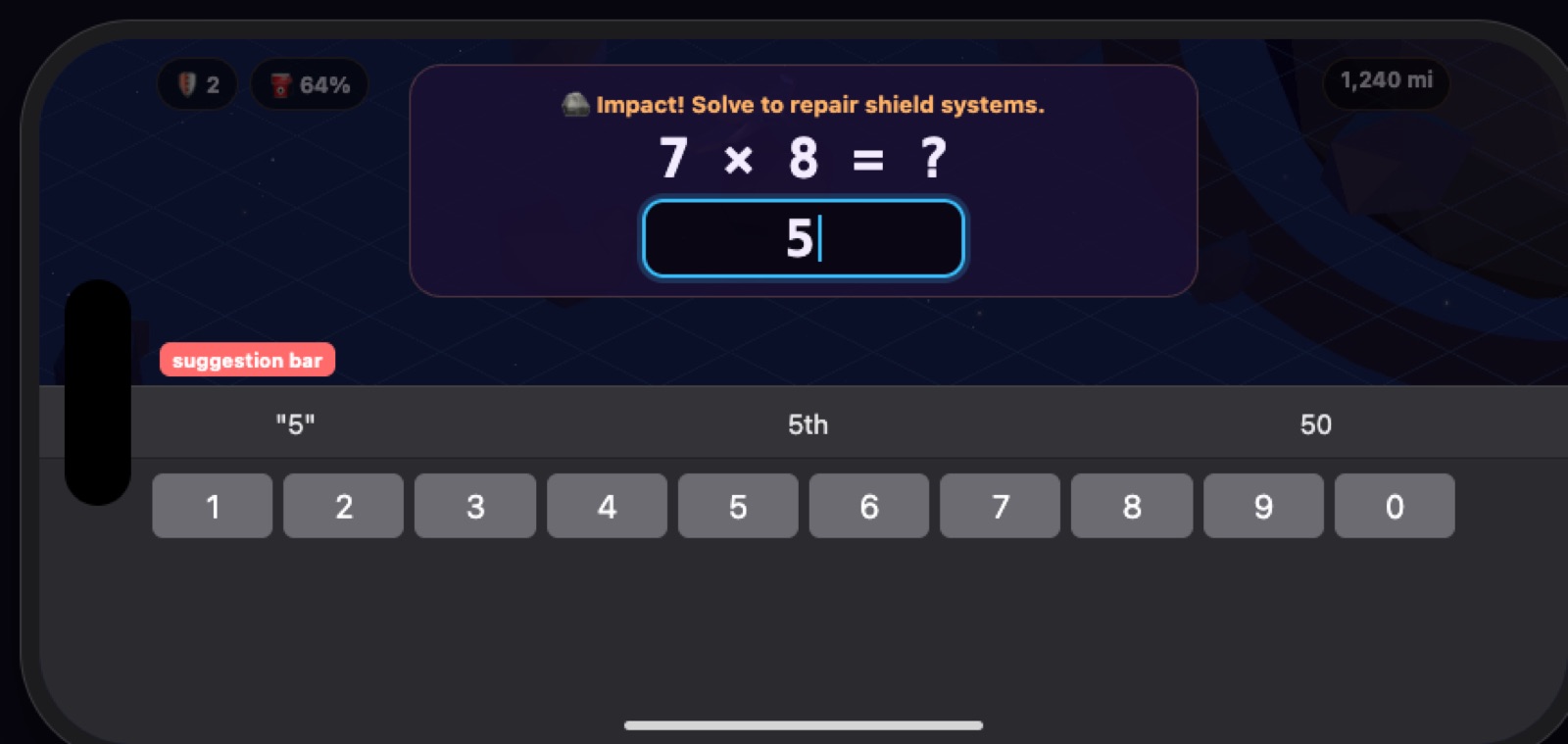
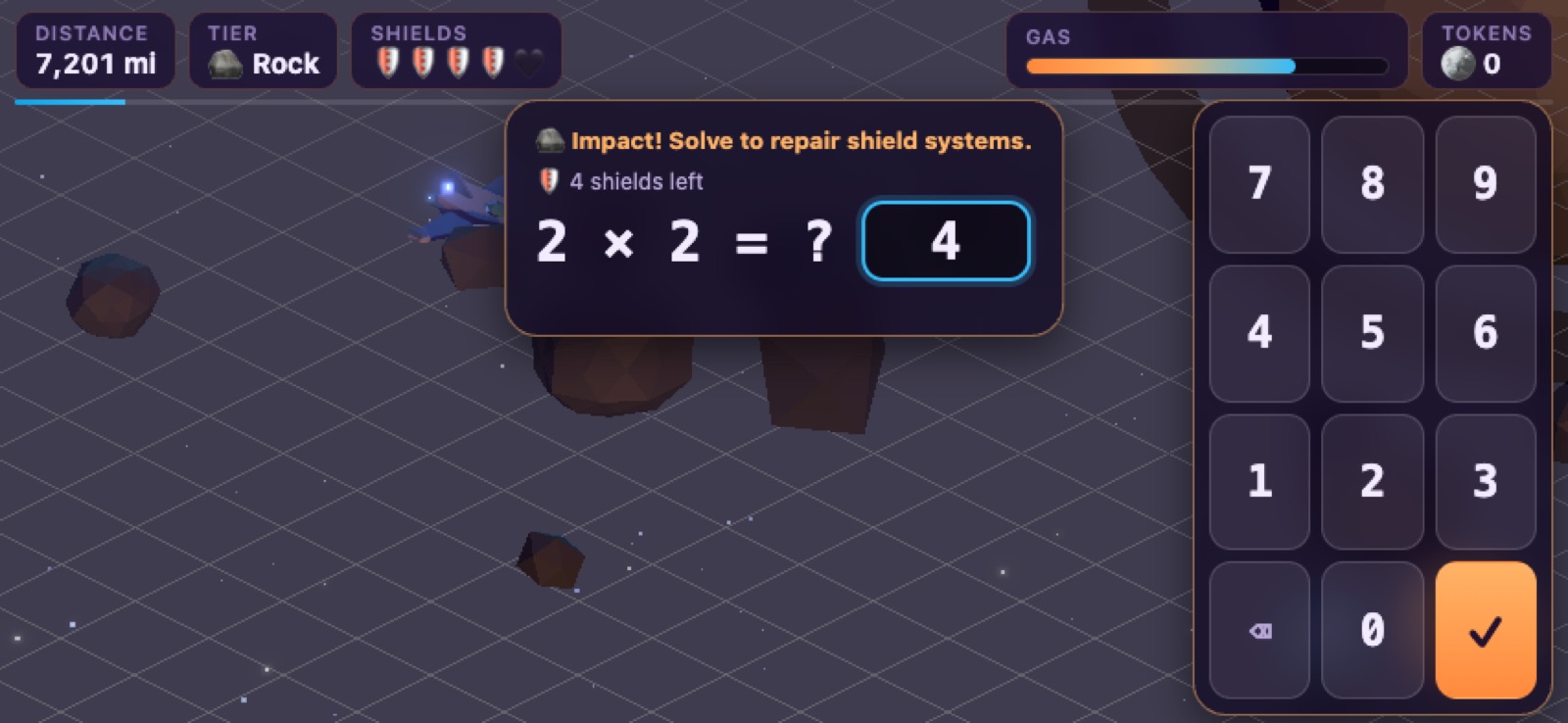
On a phone, answering a math problem used to open the iPhone keyboard, with its suggestion bar, and cover half the screen. Now the game has its own keypad on the right edge, where the right thumb already rests, and the problem sits in a small card in the middle so you can still see your ship. Fraction problems have no keypad; their slider moves to the right side instead. Three layouts were mocked up, and this one won.
-
A new helmet for the astronaut
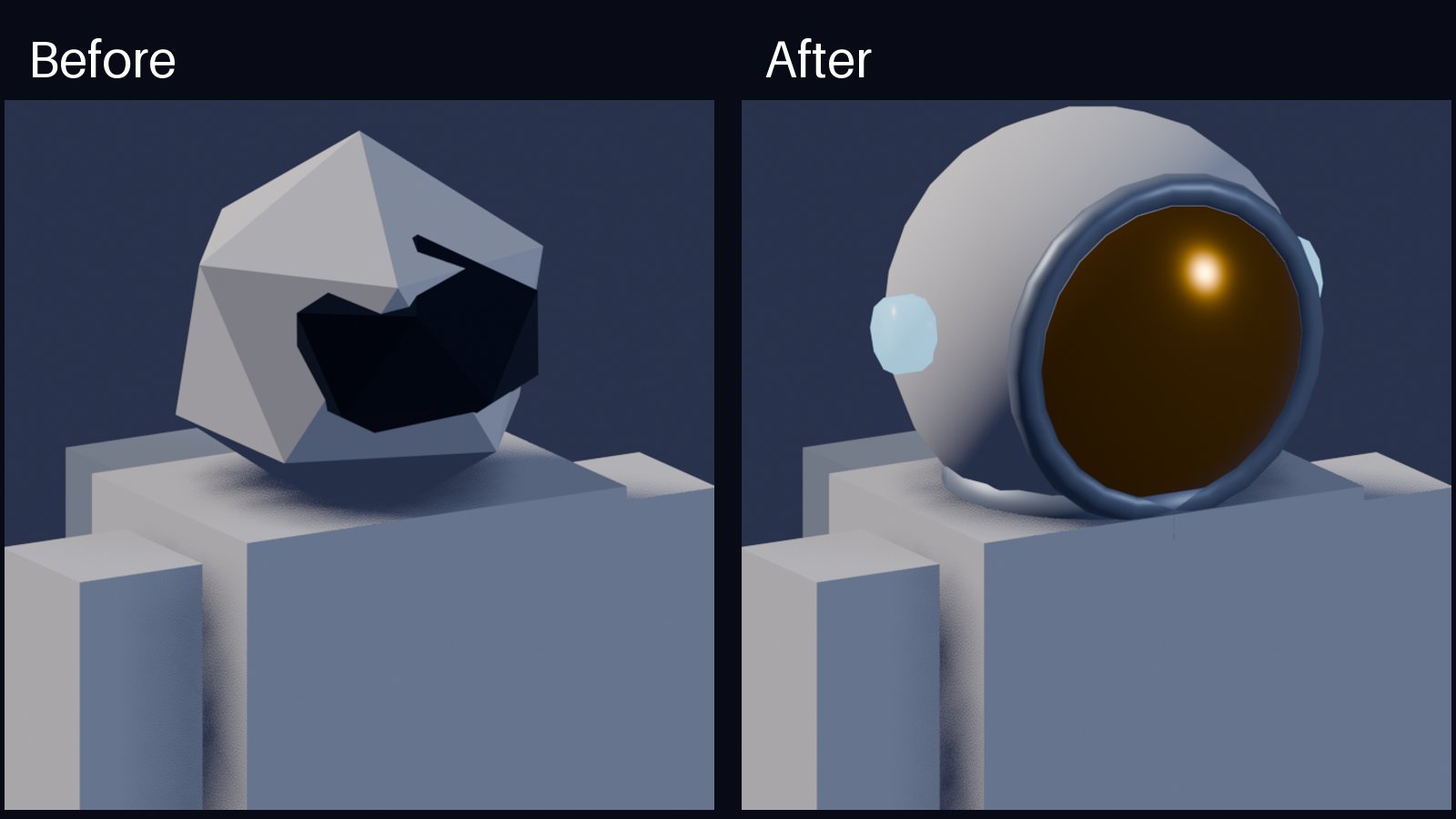
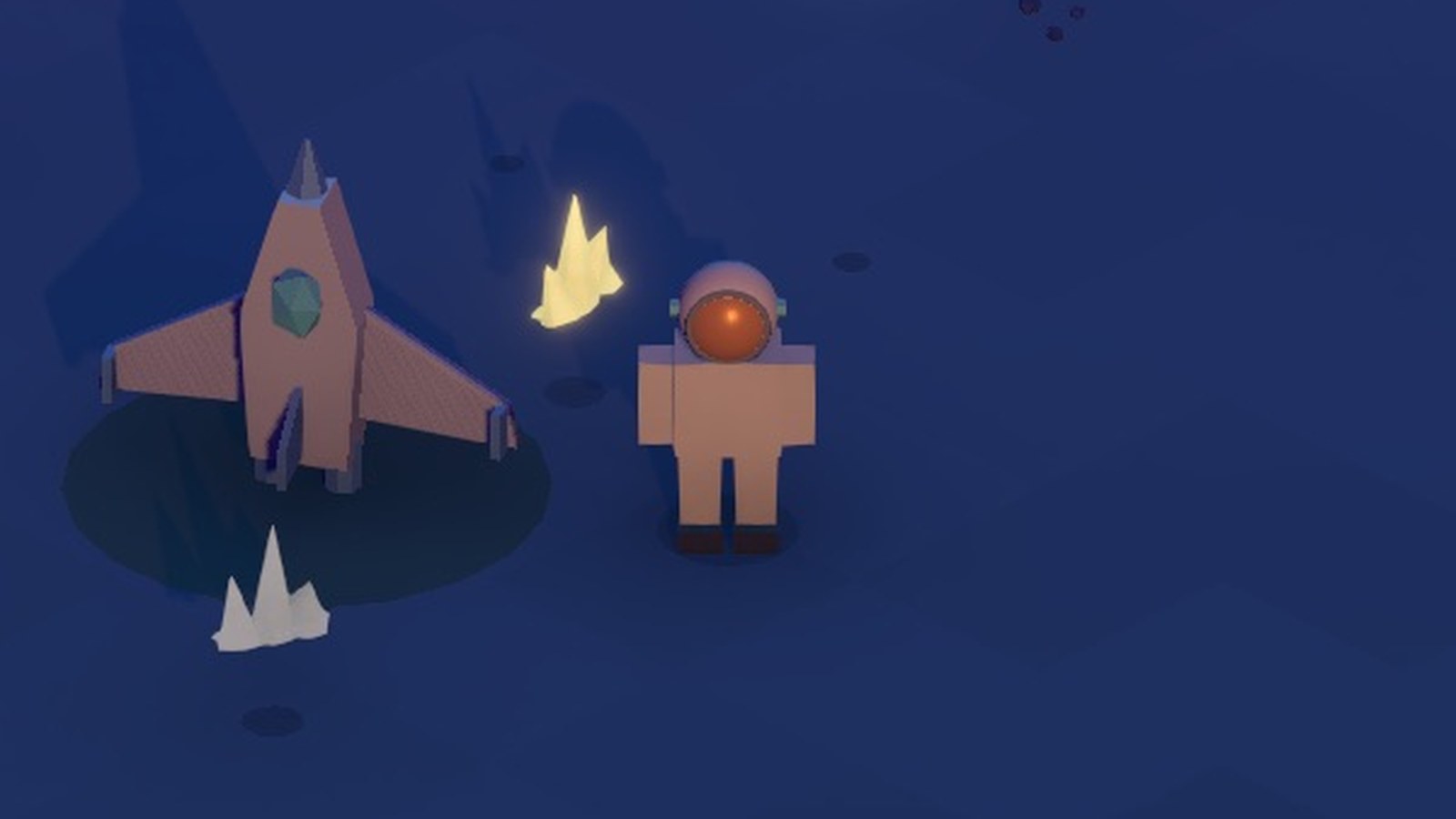
The old helmet was two lumpy shapes squashed together, so the visor looked jagged and glitchy. Three new helmets were drawn in Blender to choose from, and the winner is a smooth round dome with a gold visor, a grey rim around it and two little blue lamps on the sides.
-
A gameplay trailer for the front page
A 12-second trailer now opens the WillFall hero on the games menu and the WillFall page: the asteroid belt, a planet, a treasure maze, then four Trading Post items spinning in their close-up. Each item arrives at the speed the last one left, slows so you can see it, then whips round to the next. The clips were recorded from the game's own test scenes by script, then cut and given a gritty film look.
-
Oxygen on planets, and the Oxygen Rebreather
The astronaut's tank now runs down on the surface, with a blue Oxygen bar in the HUD and a math problem to refill it. The Rebreather, sold in the Trading Post, makes each breath last longer.
-
Ray Gun and Slow Field
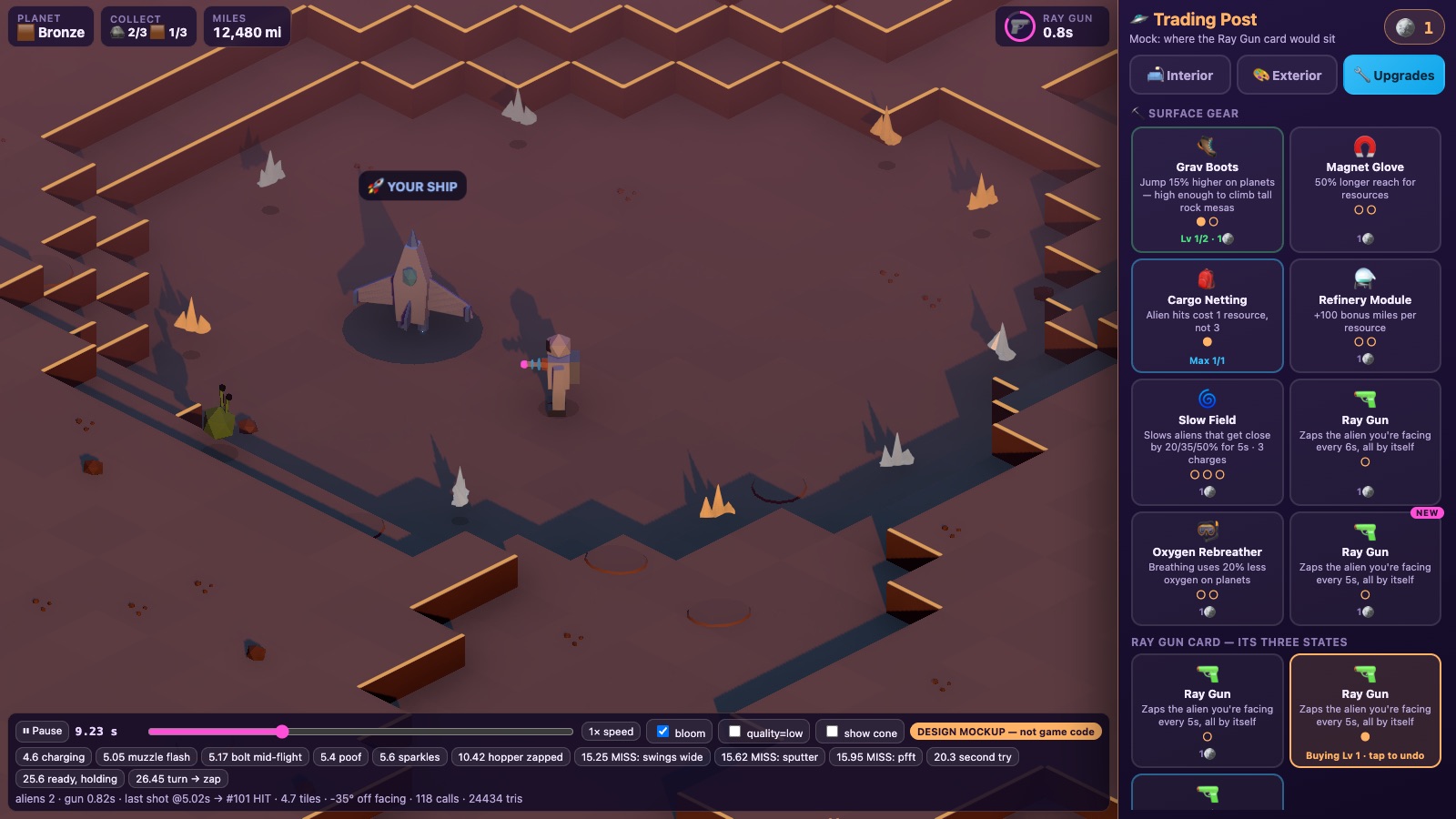
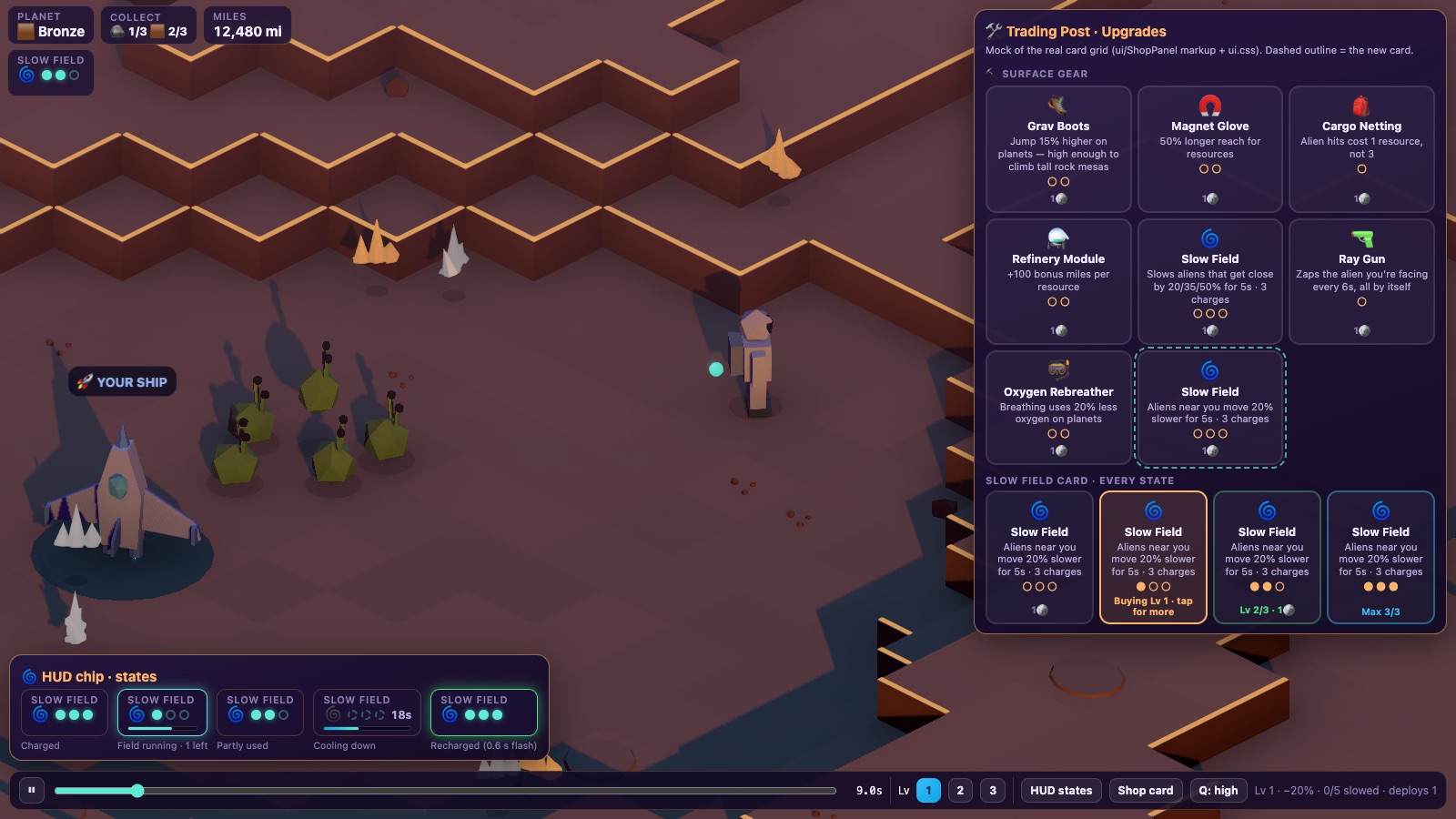
Two pieces of astronaut gear, each designed first as a throwaway mockup page to try the look and the numbers. The Ray Gun zaps an alien in front of you by itself; the Slow Field pulses when one gets close.
-
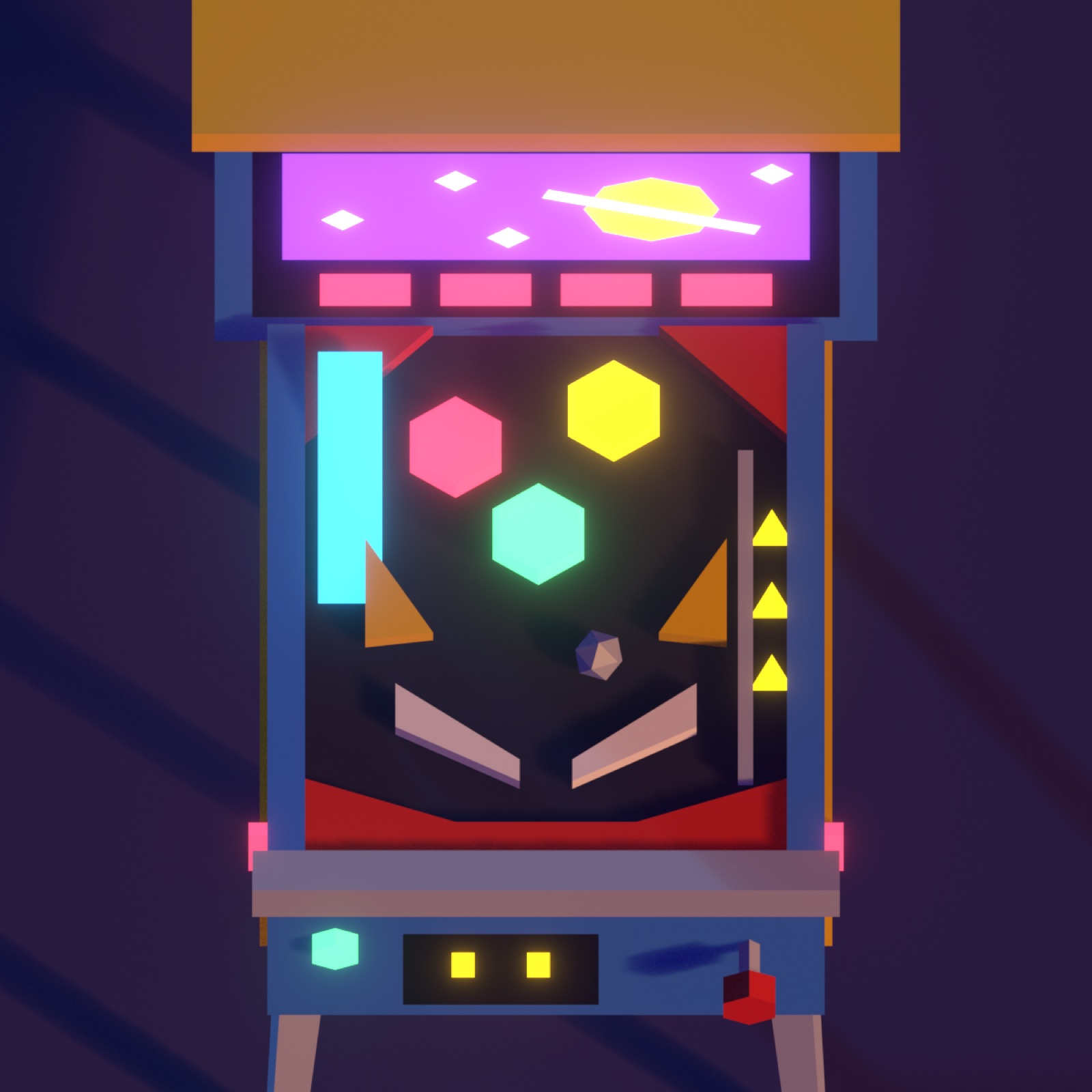
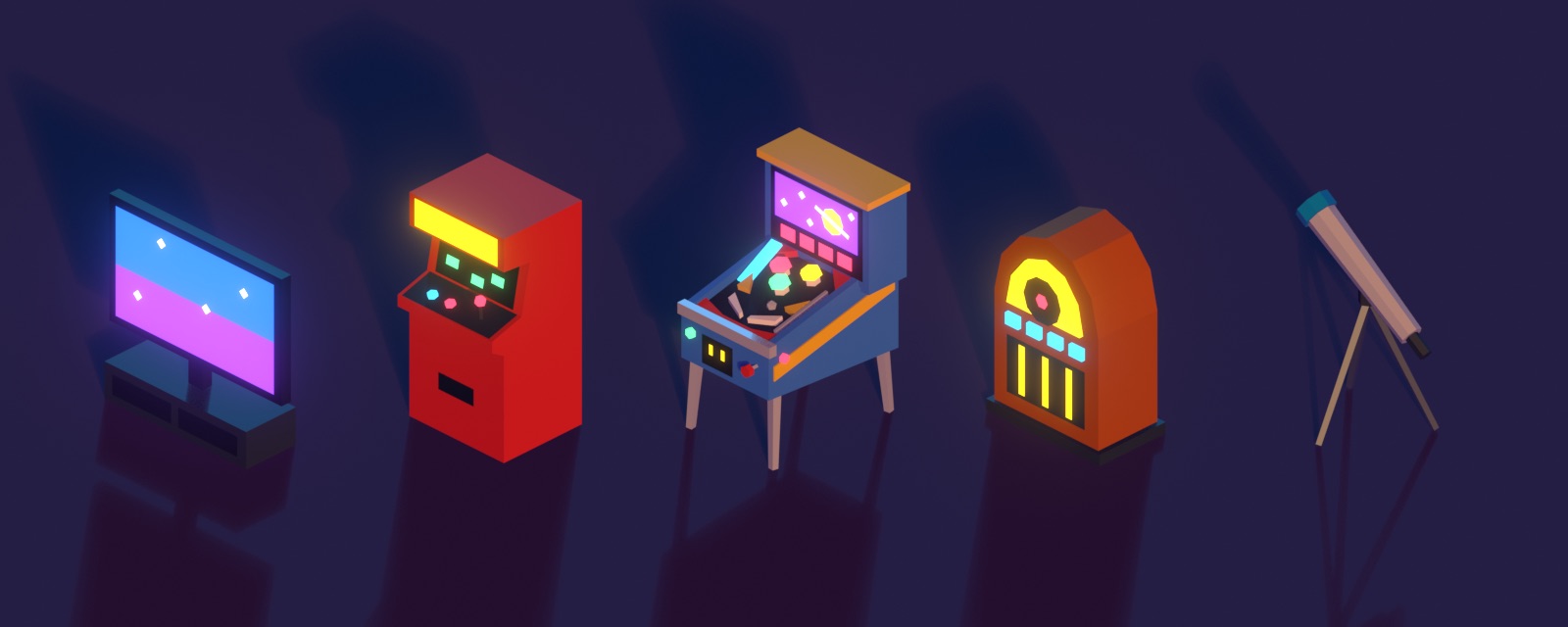
A Pinball Machine for the cabin
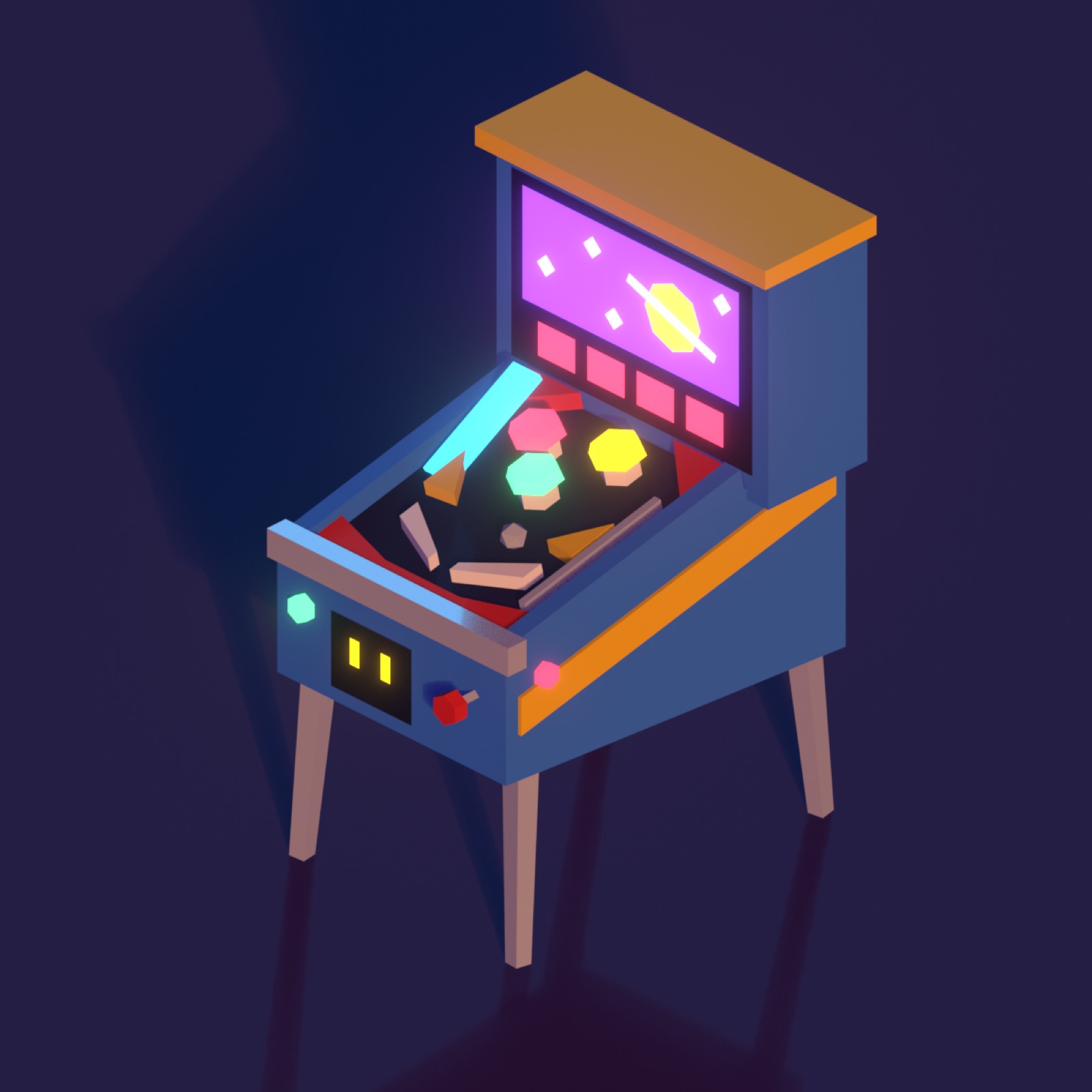
A fifth piece for the Entertainment slot, modeled in Blender from code and rendered from every side before it went into the Trading Post.
-
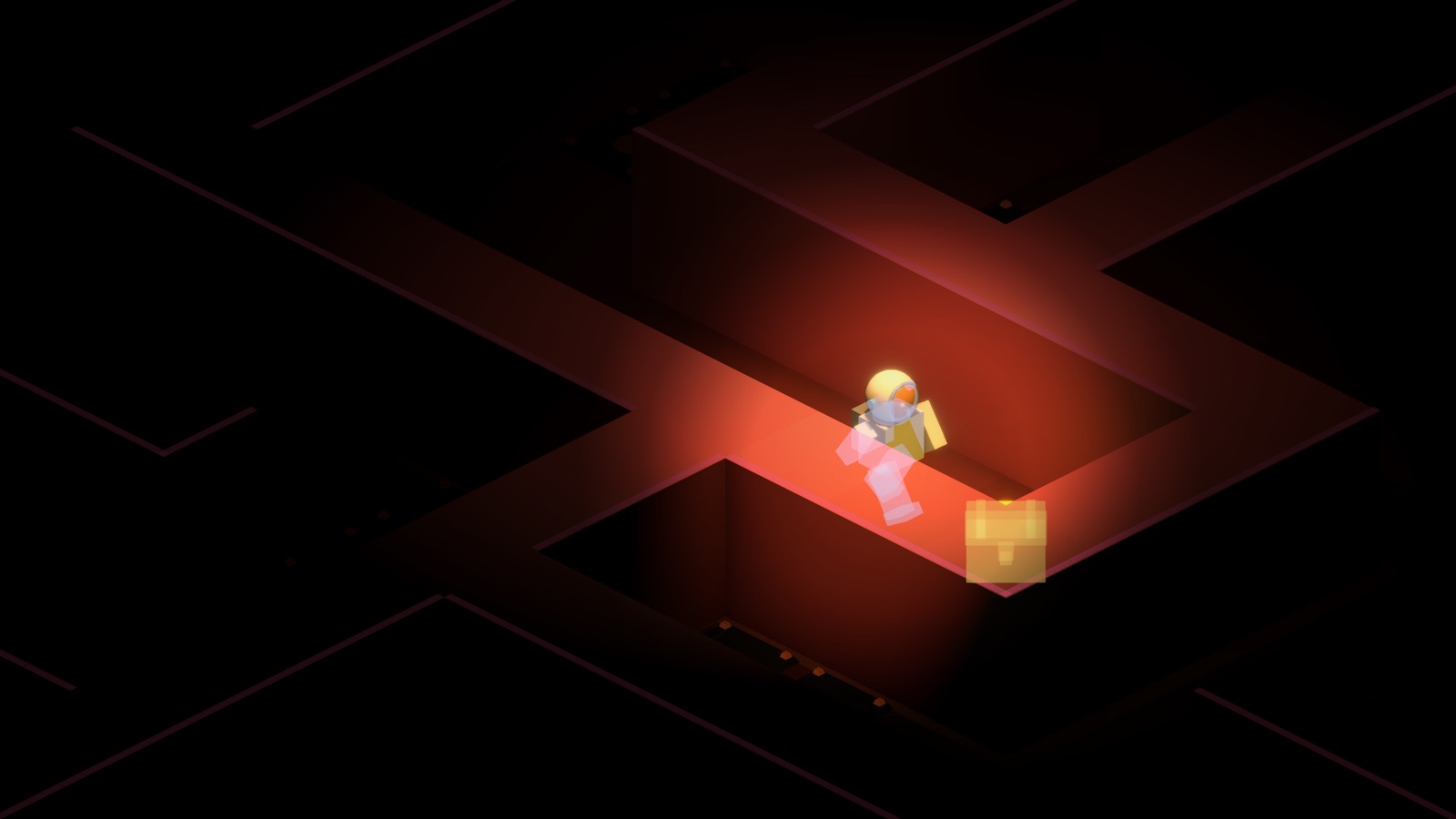
Treasure caves
A hidden cave mouth on some planets leads to a torch-lit maze with spike traps and a treasure chest at the end.
-
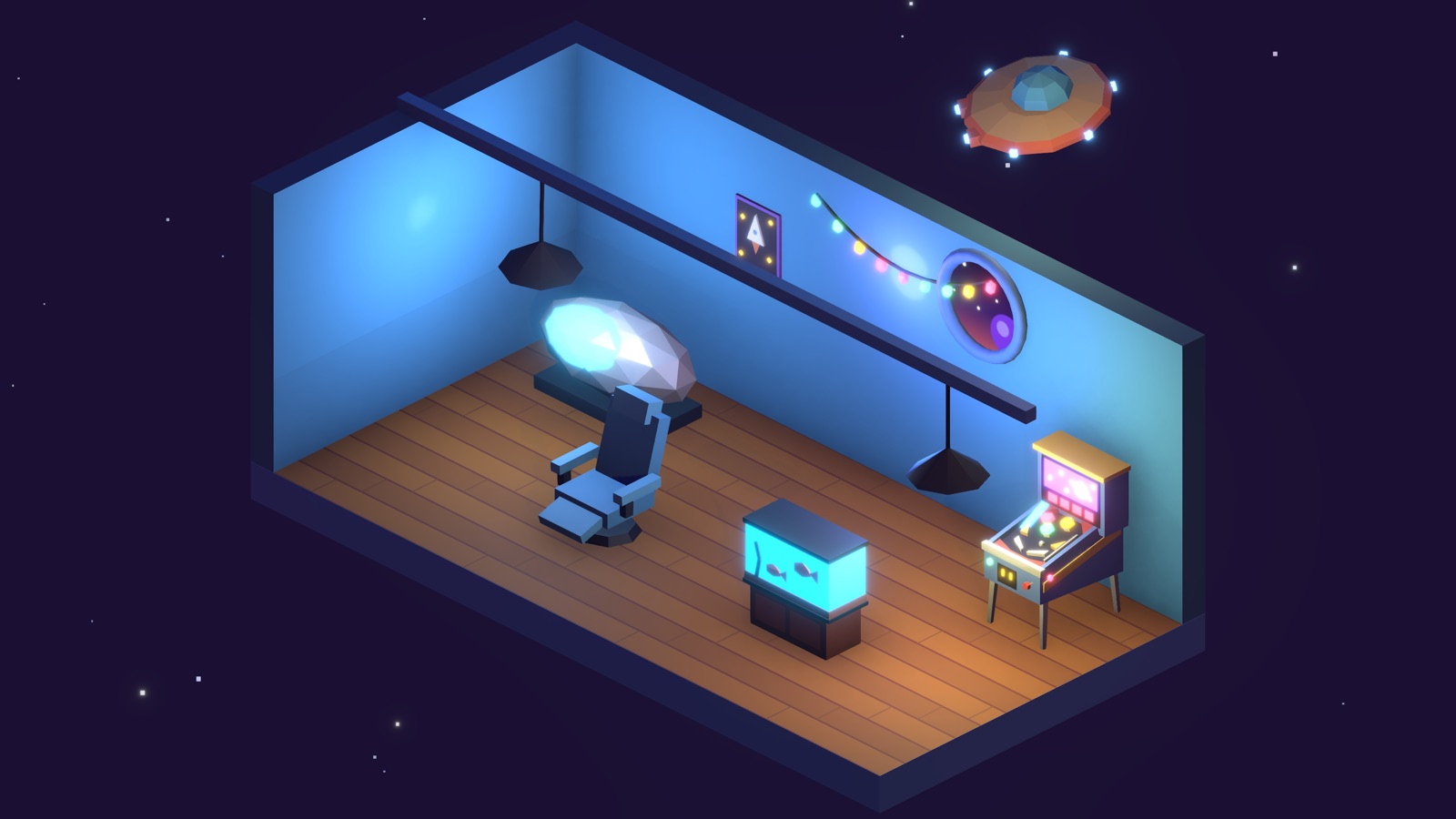
The Trading Post
A stop after every belt and planet to spend tokens on furniture, paint and upgrades, in a 3D cabin with a trader's saucer outside the porthole.
How it's built
- The classic game is the rulebook. Every rule was ported function by function, and a parity test runs the original JavaScript next to the new code to prove they give the same answers. That's most of the 7,020 tests.
- Simulations decide, scenes draw. A simulation owns the game state and never touches the screen. A scene draws the simulation's snapshot and never changes the game. That split makes every rule testable without a browser.
- One number file for both games. Gameplay tuning, like gas burn, speeds and prices, lives in one shared file used by both the classic game and Explore 3D.
- Built for phones and tablets. The target is 60 fps on an iPhone 14 with under 150,000 triangles on screen. It uses WebGL2 only, so it's ready for a future iOS app.
Explore the live tools
These are the real pages we used while building. They run in your browser.